
Our Process
Below is a step-by-step look at how Nantucket Gold™ is made.
Nantucket Gold™ Compost is made through a carefully managed process that prioritizes cleanliness, consistency, and safety. Yard and leaf material is kept separate, closely monitored, and handled with dedicated equipment from arrival to final bagged or bulk product.
Over many months, time, temperature, and regular turning transform this material into a dark, rich compost. The result is a reliable soil amendment landscapers and homeowners can trust — made entirely from Nantucket inputs, with no food waste and no shortcuts.
1. Collection
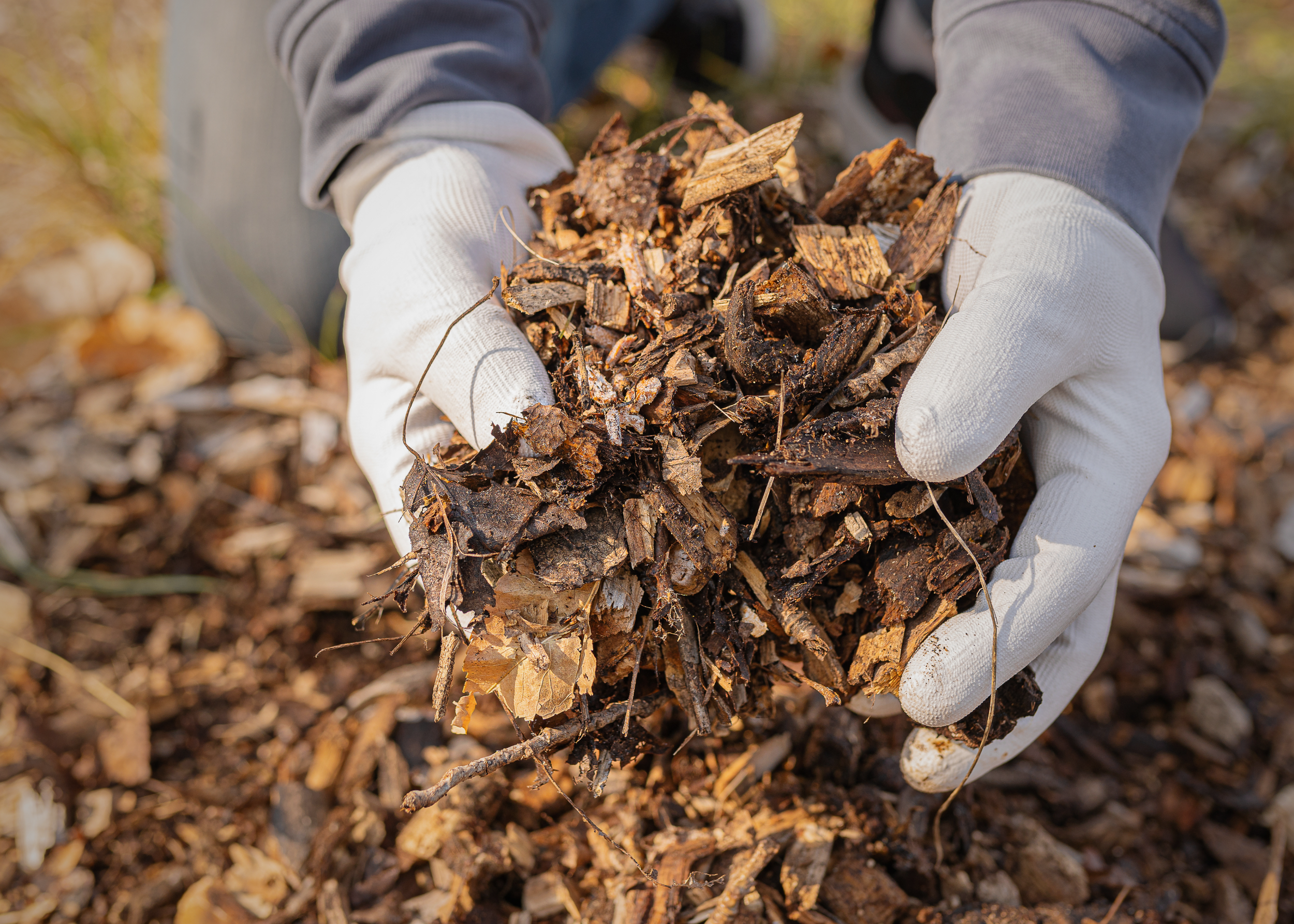
All leaf and yard material is dropped off loose (no bags) in a designated area at our facility. Each load is visually inspected when it arrives and again during handling to ensure it’s clean and free of contamination. Any non-yard material is removed immediately, and leaf and yard material is kept fully separate from other materials on site.
2. Processing
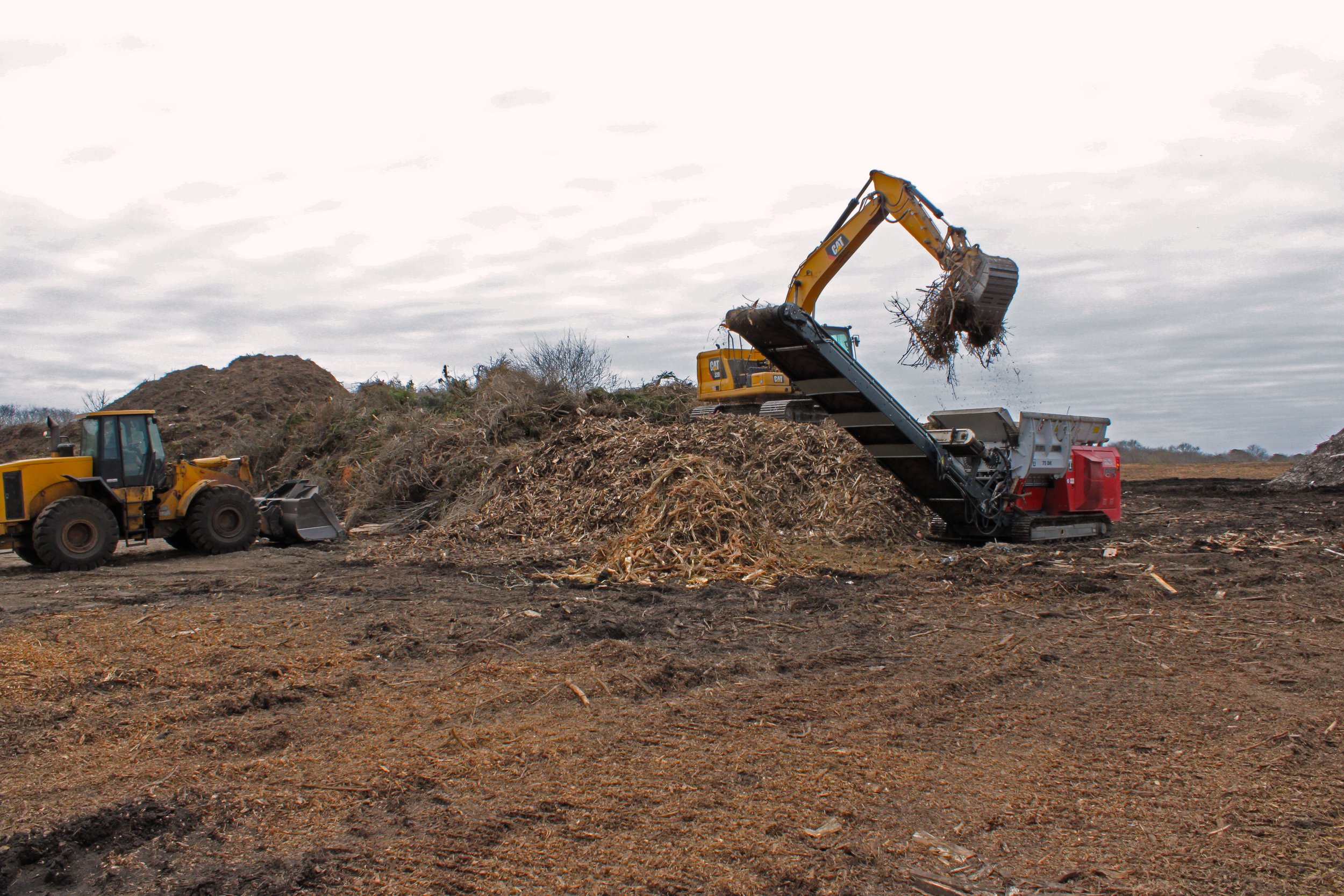
The compost is formed into long rows, called windrows, and turned regularly to allow air in and support proper breakdown. Throughout this curing period, time and temperature are closely monitored to ensure the material reaches the conditions needed for full decomposition, weed seed destruction, and pathogen reduction.
Once curing is complete, the compost is screened to remove oversized material and moved to a final storage area using equipment dedicated only to leaf and yard compost. This keeps the finished product clean, consistent, and ready for use.
3. Screening and Curing
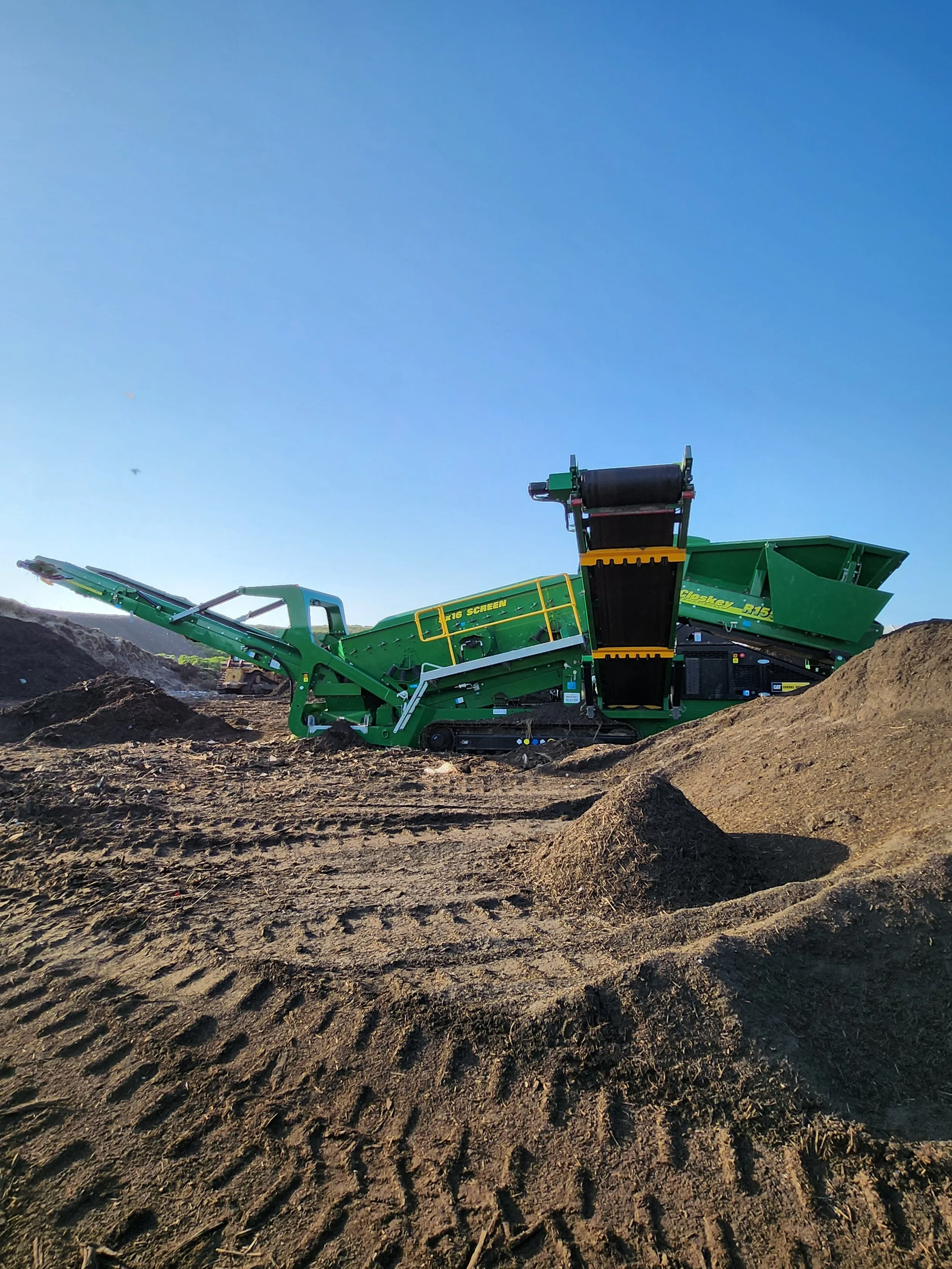
To ensure product quality, Nantucket Gold™ Compost is screened using advanced vibratory screening equipment. Unlike older rotary screens that can break glass into smaller pieces, vibratory screens gently separate material without crushing contaminants.
All leaf and yard material is inspected when it arrives, and finished compost is screened and stored in a dedicated area away from other materials on site. This investment in equipment and layout helps us consistently produce a cleaner, higher-quality compost. Once curing is complete, the compost is screened to remove oversized material and moved to a final storage area using equipment dedicated only to leaf and yard compost. This keeps the finished product clean, consistent, and ready for use.
4. Final Product
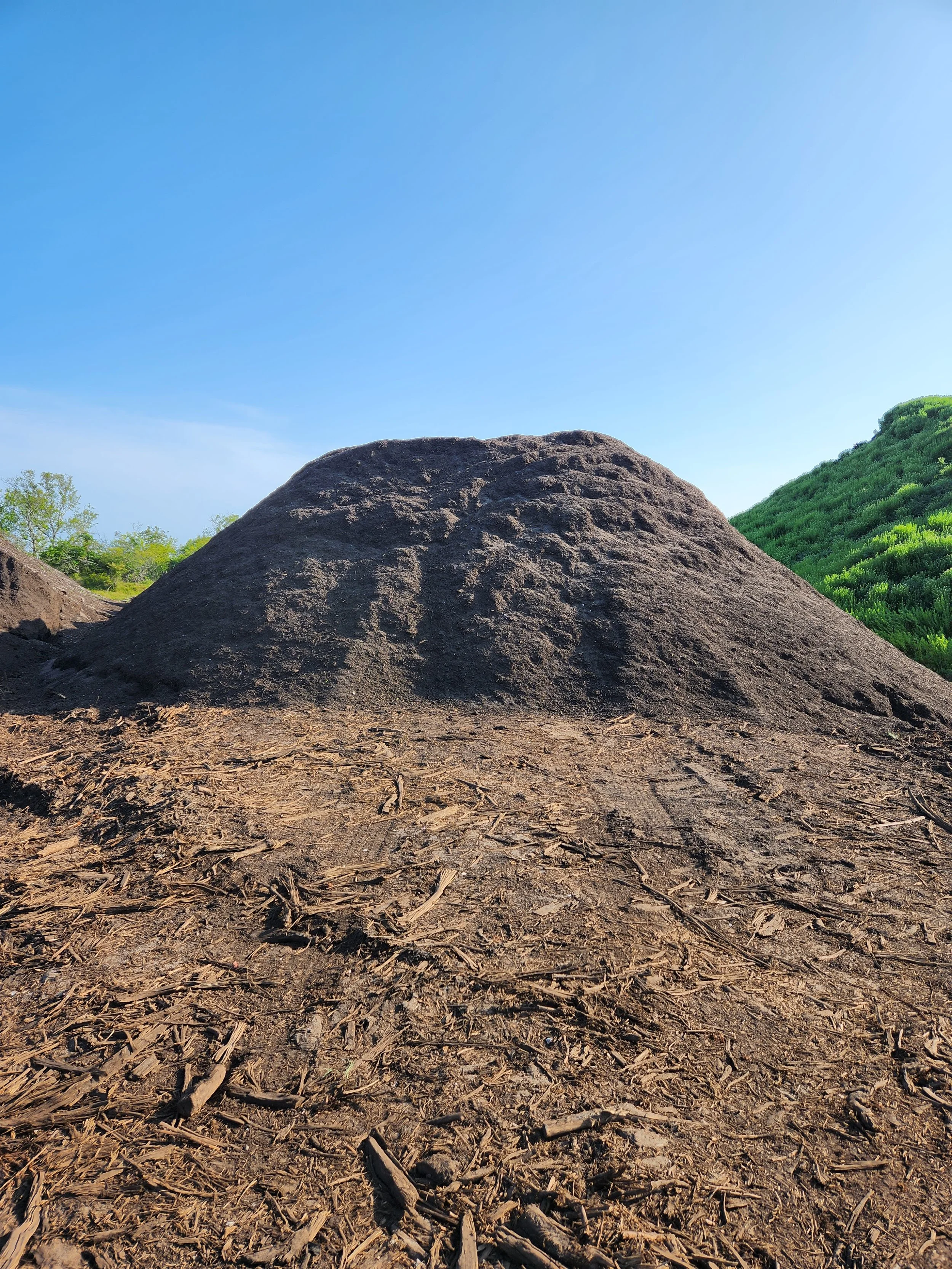
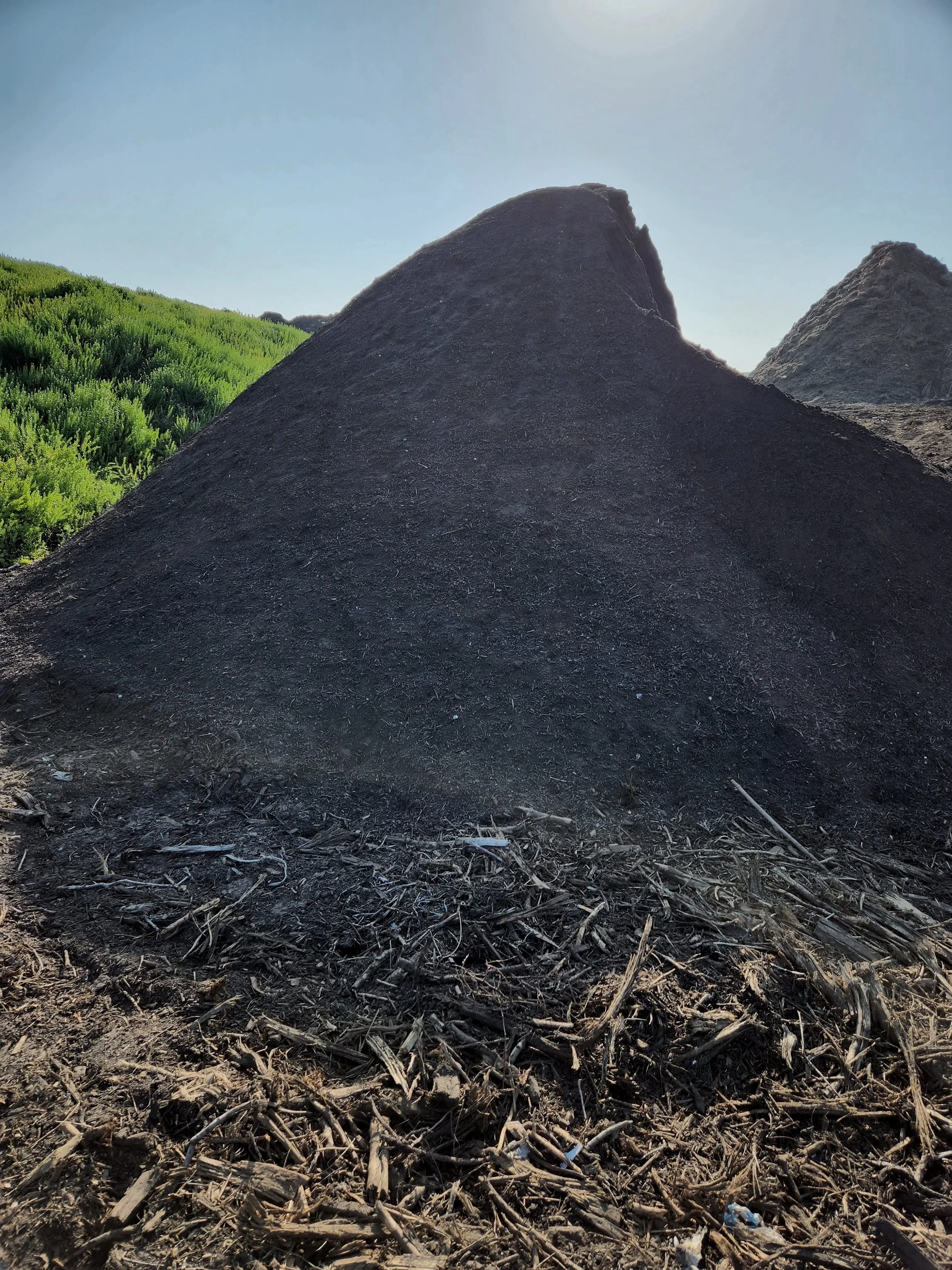
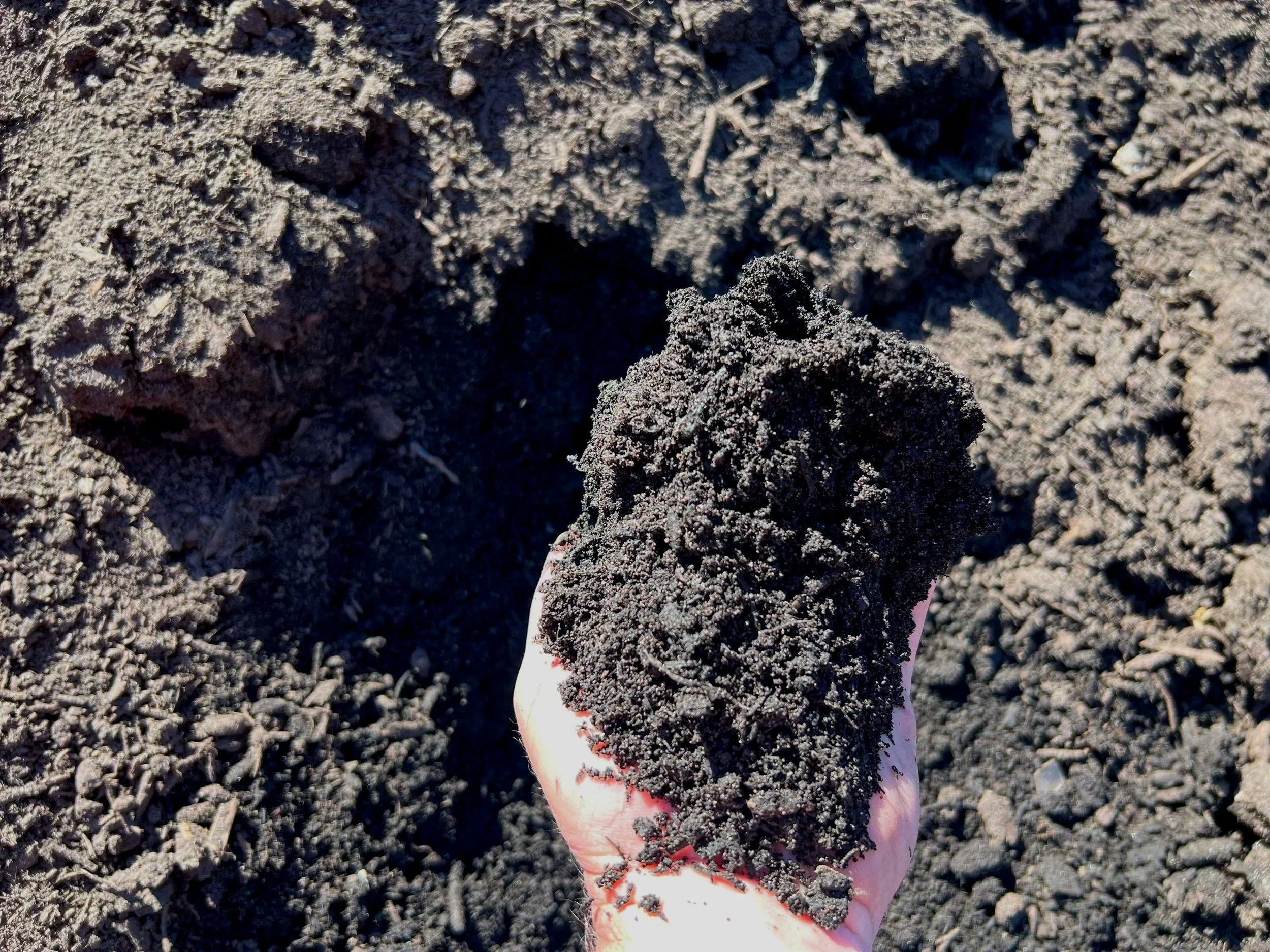
The finished compost is a dark, earthy, stable soil amendment with a consistent texture and low nitrogen content. It’s safe for gardens, native plantings, and landscape use, and trusted by homeowners and landscapers across the island.
5. Bags & Bulk

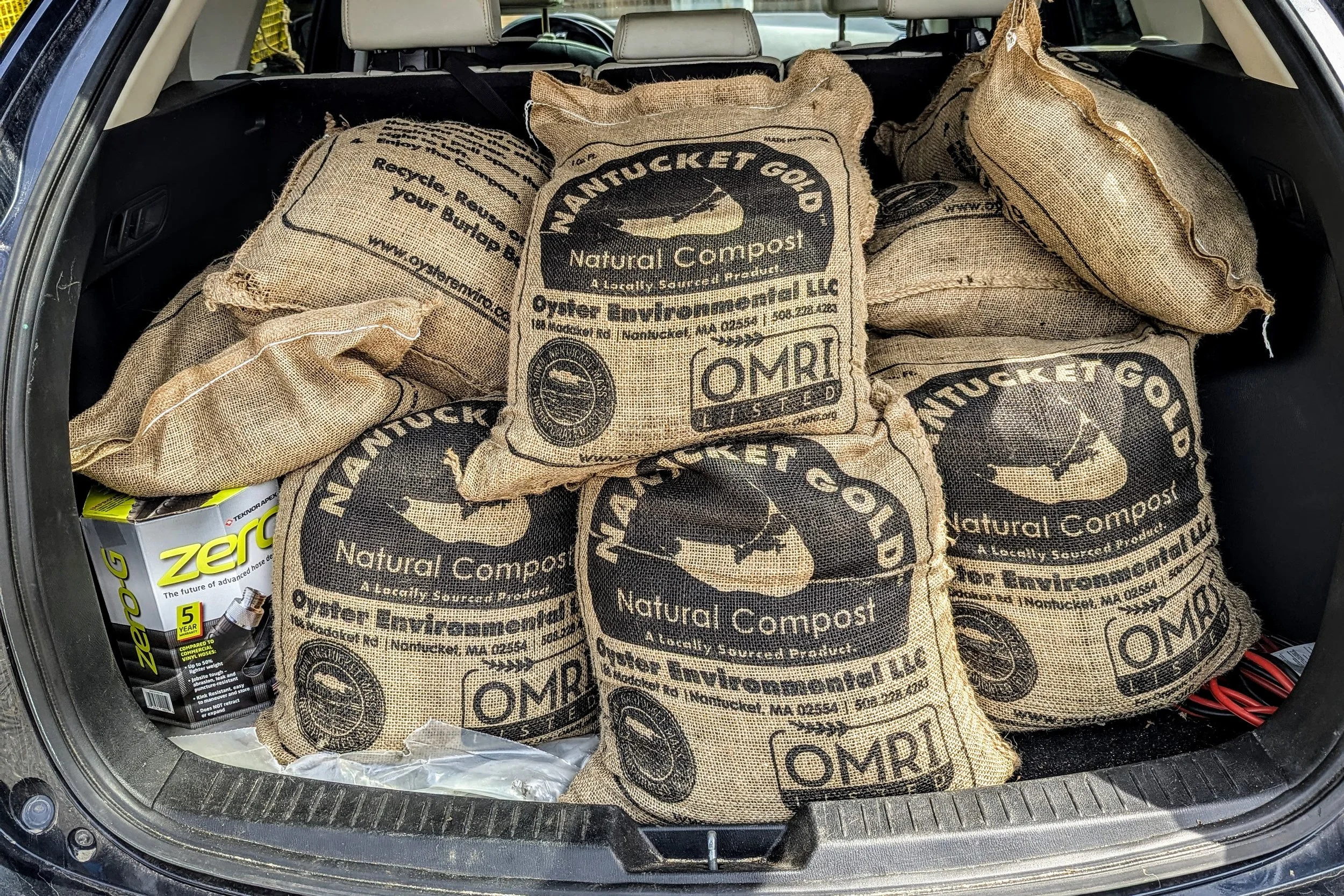
Finished Nantucket Gold™ Compost is available in two formats: hand-sewn burlap bags for easy pickup and small projects, and bulk quantities for larger residential and commercial use.
Nantucket Gold™ Compost is produced using a controlled, well-documented process* designed to ensure clean inputs, thorough decomposition, and consistent quality.
Safety & Standards
*OMRI listed for use in organic growing
*Made from 100% leaf and yard material
*Windrows are monitored for time and temperature to support proper decomposition, weed seed destruction, and pathogen reduction
*No food waste, biosolids, or additives
*Dedicated equipment is used throughout the process to prevent cross-contamination
This approach allows us to deliver a product that’s safe, reliable, and well-suited for Nantucket gardens and landscapes.
Frequently Asked Questions
-
Yes. Nantucket Gold™ Compost is OMRI listed and produced under controlled conditions that ensure proper decomposition and pathogen reduction. It’s safe for vegetable gardens, ornamental beds, and landscape use.
-
Nantucket Gold™ Compost is produced using modern screening equipment designed to remove glass and other contaminants. While all incoming material is inspected, occasional non-yard items can enter the system due to improper disposal. Our screening process and dedicated handling greatly reduce this risk and produce a clean, high-quality finished compost.
-
Leaf and yard material is composted and cured for 8-12 months or more before being screened and made available as finished compost.
-
All incoming material is visually inspected, and leaf and yard waste is kept separate from other materials on site. Dedicated equipment is required per our OMRI certification and used throughout the process to protect compost from contaminants.
-
Not by itself. Plant roots need both nutrients and oxygen to grow. On its own, compost is too dense to provide the air pockets roots need. Nantucket Gold is an essential building block of great soil, designed to be blended with soil or other materials to create the right balance of structure, drainage, and airflow.
See our Compost Recipe Page for the right mix.
-
Yes. Nantucket Gold™ Compost is regularly tested by an independent laboratory using EPA-approved methods. Testing includes metals, organic compounds, and other parameters commonly used to evaluate compost and soil amendments.
-
Testing focuses on:
Metals (such as lead, arsenic, cadmium, mercury)
Organic compounds (including PAHs and other semi-volatile compounds)
Overall indicators of product quality and safety
These are standard tests used for compost, soils, and environmental materials nationwide.
-
We currently test our product strictly against STA parameters to ensure it meets the highest industry standards. While we are not technically enrolled in the program yet, it is a priority we are actively pursuing. We have a long-standing relationship and great rapport with the team at AGRO-Labs in Harrington, DE, and we have trusted their expertise for years to verify the quality of our compost.
-
Yes! We believe in transparency (because our compost has nothing to hide).
Summaries of testing are available at this link, and we’re always happy to explain results in plain language.
Ready to Order?
Order Bagged Compost
Order Bulk Compost